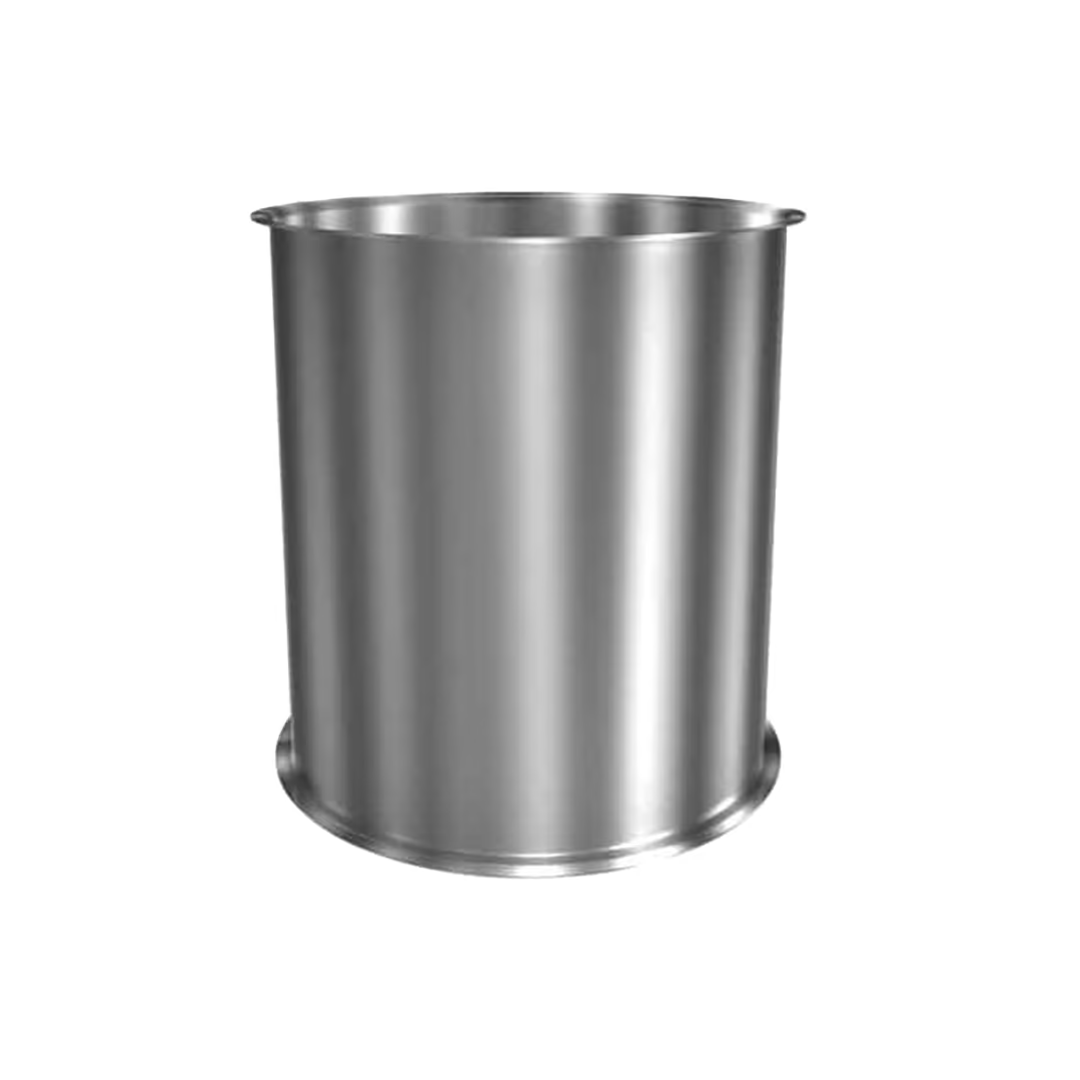
Plastics

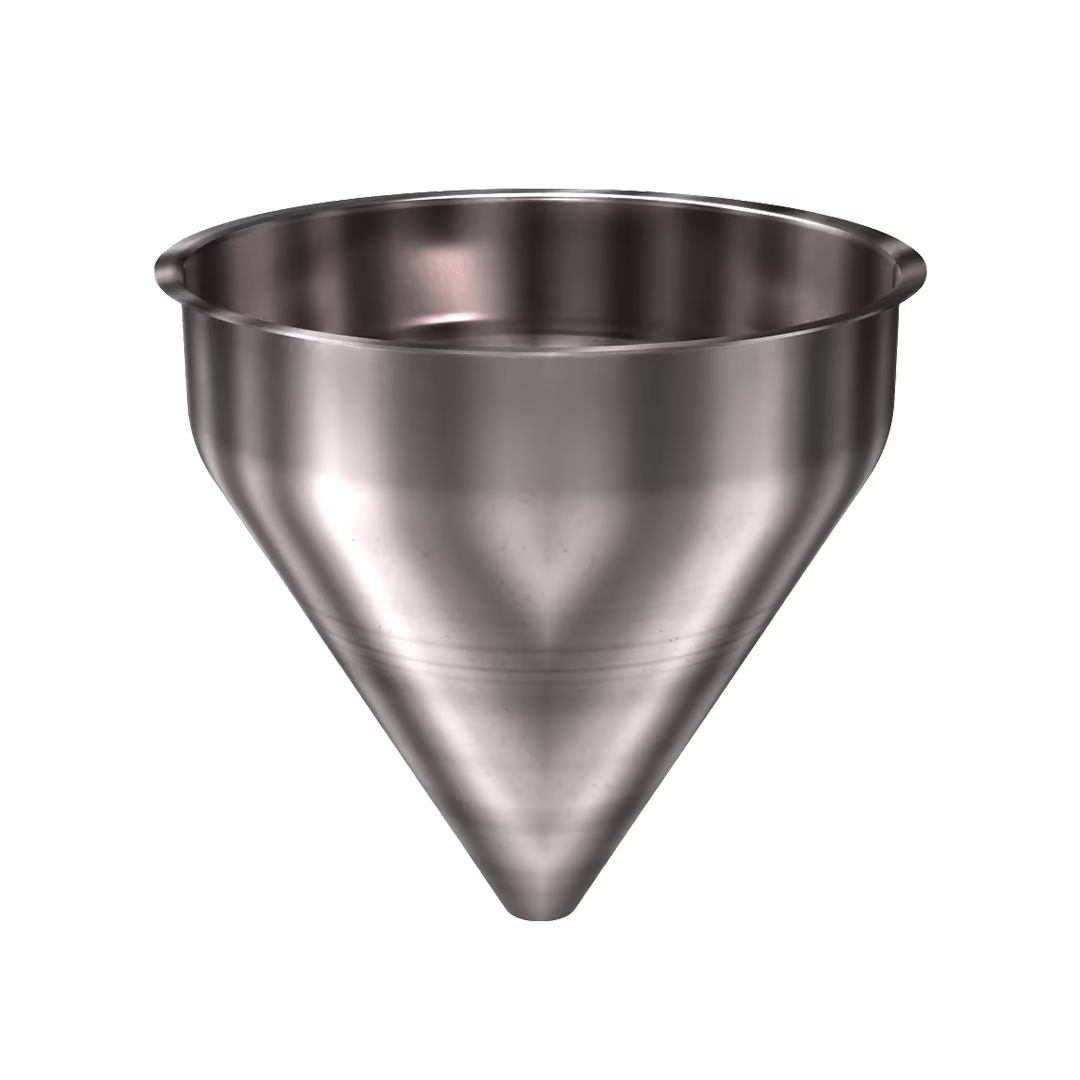
TMS began in 1988 producing one standardized hopper. Since then, hoppers have grown to become a core offering. We supply 10’s of 1,000’s a year into the Plastics Fabrication industry. TMS understands our customer’s need for products that are high quality, durable and seamless. These hoppers are designed and produced so the material can flow freely without any hang-ups. 

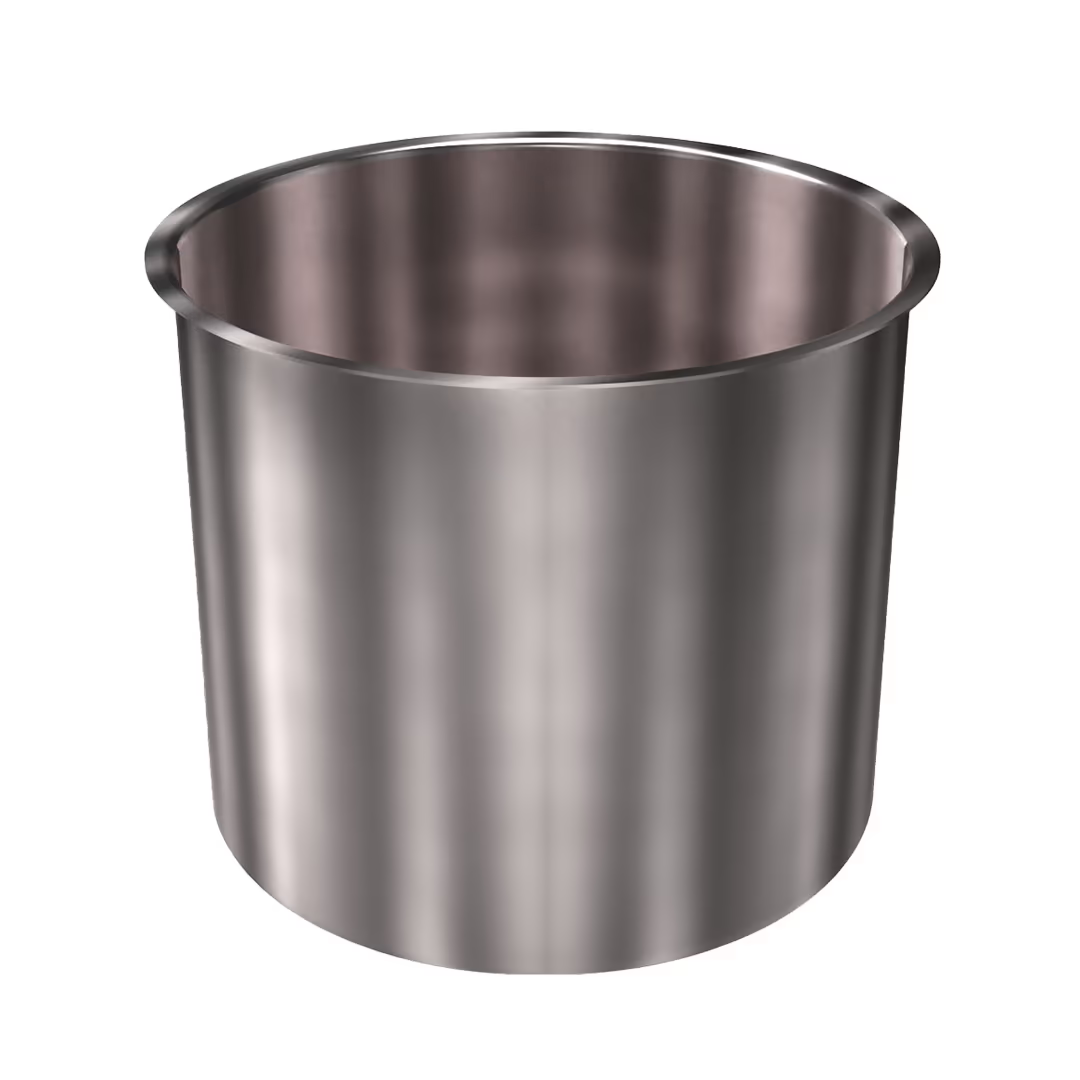
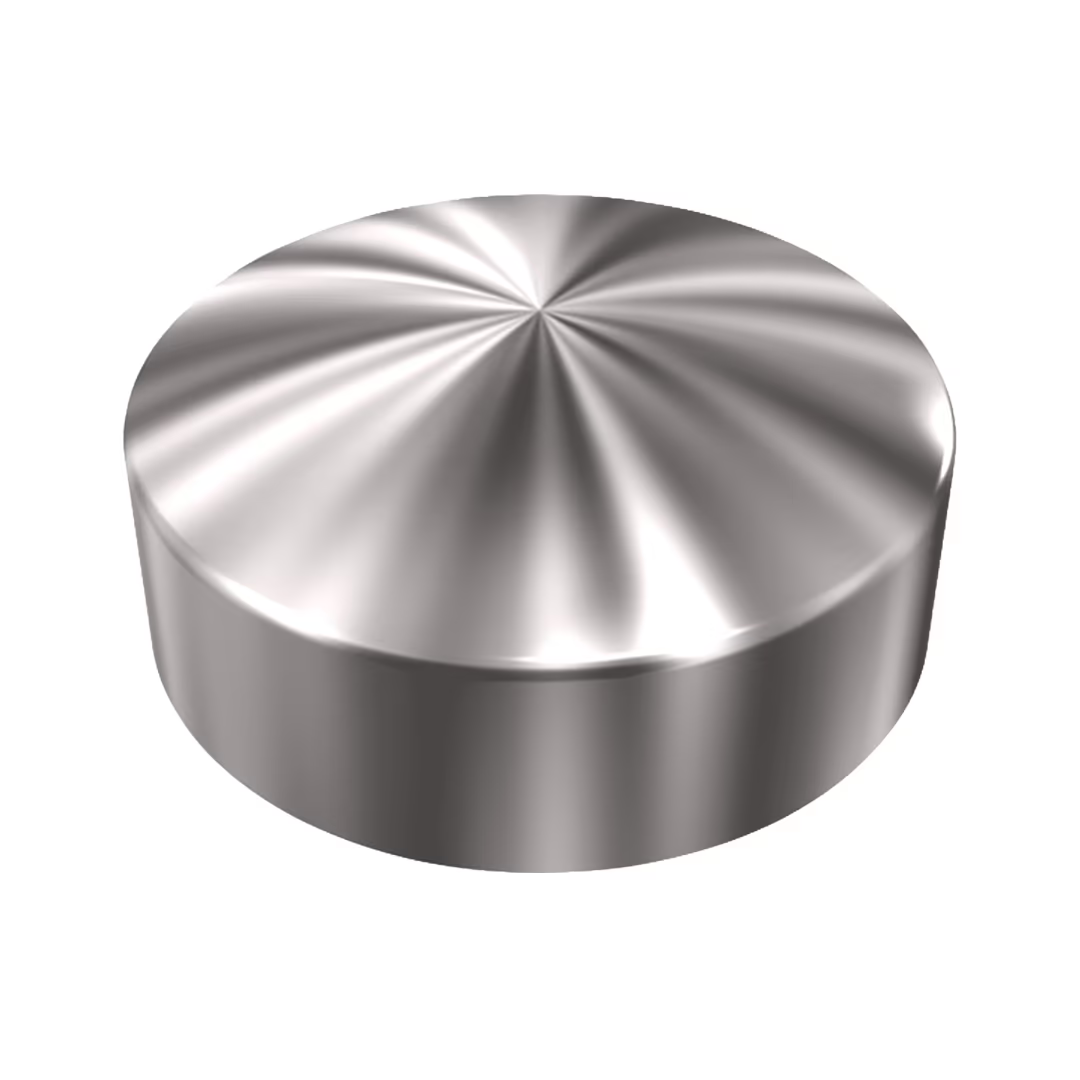
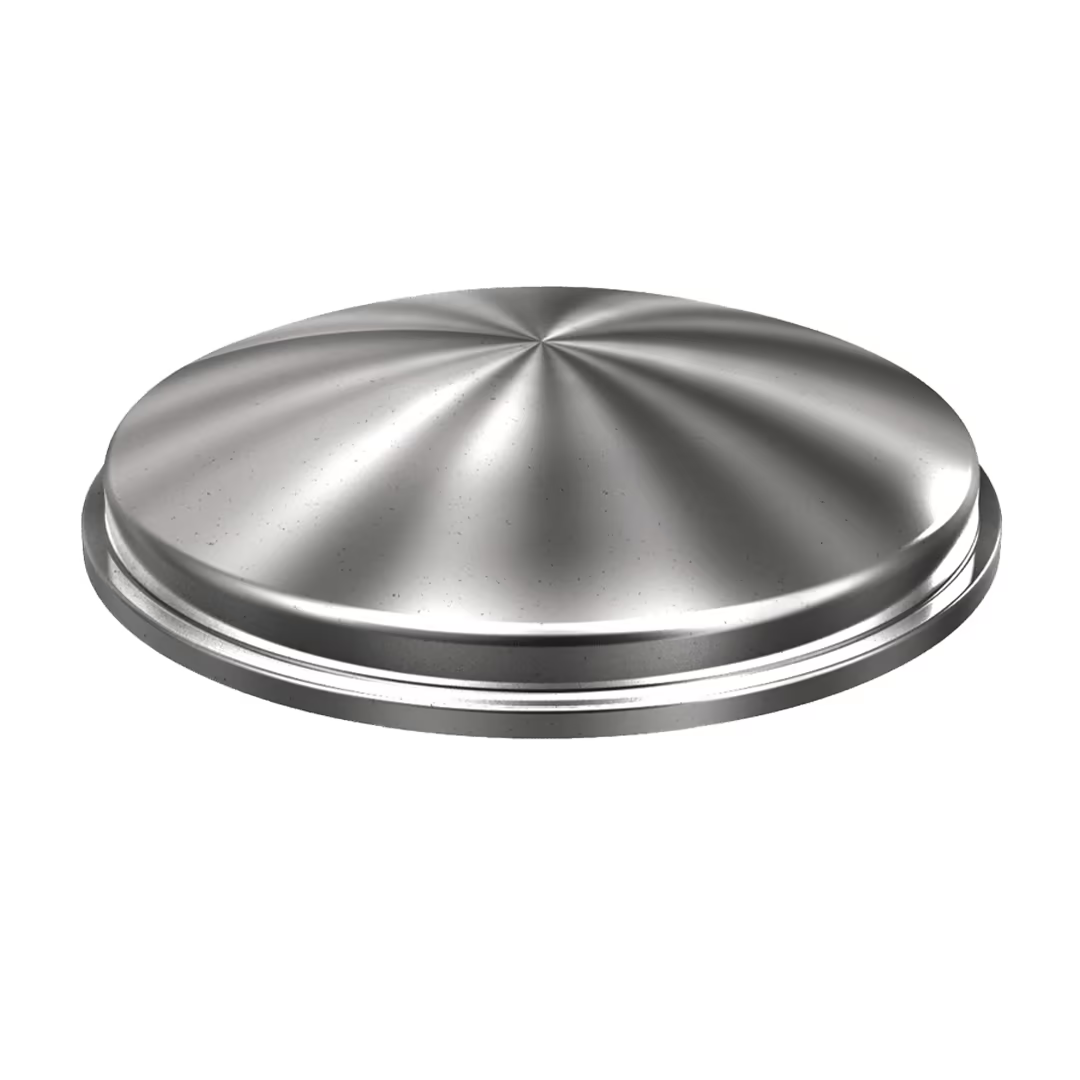
There are several options of hoppers, lids, cups, and domes in stock that can be purchased right off the shelf. You can also customize TMS stock products. TMS can either customize your hopper to your print or with you and your fabrication shop of your choice. Our mission is to produce superior products that exceed our customers’ expectations in a cost effective, timely manner.

Industry:
Plastic Processing

Market:
Plastic Processing Equipment, Pneumatic Conveying Equipment 

Regularly formed plastics metals:
  • Stainless Steels 304, 309, 316
  • Nickel Alloys
  • Copper Alloys
  • Steel8

Metal Forming Resources for the Plastics Industry

Secondary Metal Fabrication Processes

Secondary Metal Fabrication Processes At TMS, our secondary metal forming processes consist of: Beading and Edge Rolling Trimming Welding Metal Finishing and Polishing Each process can be done manually or automated, depending on the part. Beading and Edge Rolling Beading is very similar to edge rolling. During the beading process, a radius is added to

Read More »

Made in the USA

Importance of American-Made Manufacturing  Purchasing a product with the “Made in the USA” logo gives American consumers a sense of freedom, pride and satisfaction, knowing they are contributing to our economy and supporting American jobs, and fellow Americans. The manufacturing industry in the United States helps to increase jobs, careers, and opportunities, especially when their

Read More »

Metal Fabrication: What is the Beading and Edge Rolling Process?

Metal Fabrication: What is the Beading and Edge Rolling Process? Beading and edge rolling are the metal forming processes of adding a radius, raised edge, or indented ridge along the edge of a piece. This process is done to increase stability and durability of the part, and can also increase its functionality by allowing for

Read More »

Deep Drawing 101

The Basics of Sheet Metal Forming with a Hydraulic Press What is the Deep Drawing Metal Forming Process? The metal deep draw stamping process is a cold-forming process, meaning it is performed in an environment at or near room temperature. In this forming process, a flat metal blank is stretched over a die cavity with

Read More »

Benefits of the Polishing Process

The Metal Finishing and Polishing Process The polishing process is a secondary metal fabrication process that is done to create a smooth and shiny surface by utilizing abrasives or chemical treatment, and can be done by hand or robotic automation. The purpose of adding a finish or polish is to improve the appearance by creating

Read More »

Deep Drawing VS Press Forming

The Difference of Deep Drawing and Press Forming It is commonly misunderstood that Deep Drawing and Press Forming are two different processes. Many do not know that deep drawing is a type of press forming! Press forming as, a broad term, involves drawing a sheet of metal into a specific shape using hydraulic or mechanical

Read More »

Benefits of Sheet Metal Stamping

Benefits of Forming Deep Drawn Metal Stamped Parts The deep drawing sheet metal forming process is a cold-forming process performed in an environment at or near room temperature, where the metal is permanently deformed into the desired geometry. In this process, the flat metal blank is formed and stretched around a die cavity with a

Read More »
Scroll to Top